Where Should I Stay for the Manchester Marathon: Near Old Trafford or City Centre?
The Manchester Marathon is one of the UK’s premier spring road races, attracting thousands of runners from across the country and beyond. If you’re gearing up to tackle the 26.2 miles on race day, one of your first questions will be: where is the best place to stay? Should you choose accommodation near Old Trafford and Salford Quays to the west, or opt for convenience close to the bustling city centre Oxford Road finish?
In this guide, I’ll break down everything you need to consider — from race date and scale, entry details, charity place realities, to the course route, elevation, and certified timing — to help you make an informed decision on your accommodation for race weekend. As someone who’s reported on UK road races and meticulously checked transport and route details for years, I’ll also highlight the shortest post-race transfer options, so you can get back to your hotel and rest swiftly after your run.
Race Overview: Date, Scale and Time Limit
The Manchester Marathon traditionally takes place on a Sunday in April. For 2026, the confirmed race date is Sunday 26th April 2026. This timing places it nicely in the spring racing calendar — mild enough for comfortable running but with a chance of April showers.
The event is now firmly established as the largest marathon in the UK outside of London and the Edinburgh Marathon Festival. The 2023 edition saw over 30,000 finishers, highlighting the scale and the atmosphere you can expect. Given the size, it’s recommendable to plan transport and accommodation early.
The race time limit is 6 hours 30 minutes, meaning you’ll have to maintain approximately a 14:54 minutes/mile pace to avoid hitting cut-offs. This is generous by marathon standards but important to factor when assessing course support and timing.

Entry Process and Sell-Out Reality
The Manchester Marathon is known for its rapid sell-outs, often within minutes of the public registration opening. The standard entry fee tends to hover around £75 for early bird registrations and rises closer to race day.
If you miss the general entry ballot, don’t worry — there are alternative routes, especially through charity places. For example, the MS Trust charity entry requires a registration fee of £40 plus a minimum sponsorship pledge of £500. While this is a significant financial and fundraising commitment, it often guarantees a guaranteed marathon spot after the public places are gone.
It’s also worth noting that some participants turn to third-party sites like goandrace.com for downloadable GPS (GPX) routes to train and prepare. While these tools can be handy — especially if you own a Garmin device or similar GPS watch that supports GPX upload — remember these are not official race sources. Always double-check your device compatibility and confirm with the official marathon organisers for any last-minute changes.
Charity Places and Real Costs
Charity entries can be a fantastic way to guarantee your place while supporting a great cause. However, the headline fee doesn’t tell the whole story:
- Registration fee: Typically £40 for registered charities like MS Trust
- Sponsorship requirement: Minimum £500 raised, often requiring significant effort during the months before the race
- Additional costs: Accommodation, transport, kit, and possible fundraising event attendance
If the fundraising element is your main concern, choosing a charity with manageable targets and a good support network can alleviate stress. But budgeting for hotels and post-race recovery stays is equally important, so this brings us nicely to where you might best base yourself onsite.
Course Route, Elevation and Certification History
The Manchester Marathon boasts a fast, flat course that appeals to runners chasing personal bests. The route is UK Athletics and IAAF-certified and consistently ranks as one of the flattest city marathons in the country.
Key highlights of the course include:
- Start Point: Near Old Trafford football stadium—spectacular if you’re a footie fan and great for crowd energy
- Mid-route through Salford Quays: Scenic waterfront section with ample crowd support
- Finish: At Oxford Road in Manchester city centre, right in the heart of the action
Elevation gains are minimal — approximately 30 metres increase over the entire deansgate supporter send off 26.2 miles — making this a course well-suited for fast times if you can navigate the crowd in the early miles.
Official Certification and Timing Accuracy
The Manchester Marathon course measurement and timing is annually verified by UK Athletics. The race uses chip timing technology offering intermediate split points. This ensures accuracy for personal pacing and post-race certification for qualification marathons like London or Berlin.
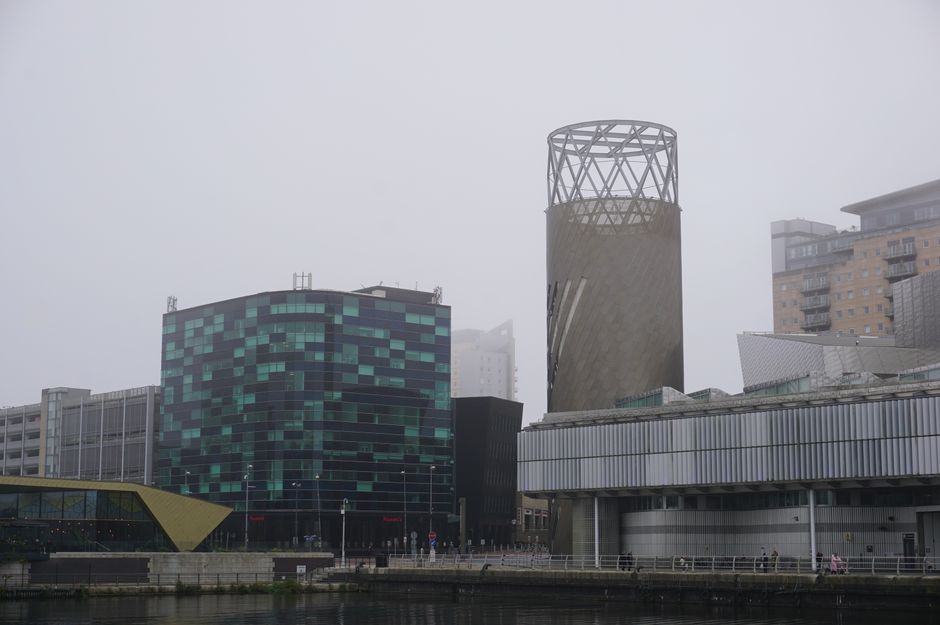
Accommodation Options: Old Trafford / Salford Quays Vs City Centre
This question often boils down to your priorities: do you want to minimise pre-race nervous logistics or post-race walking? Let’s weigh up each area’s strengths and challenges.
Staying Near Old Trafford and Salford Quays
Pros:
- Proximity to race start line: You can reach the start village with a short bus ride or even a brisk 20-30 minute walk. This can reduce stress on race morning.
- Quieter environment: Away from city noise, ideal for restful pre-race sleep.
- Modern hotels around Salford Quays: Stylish, with often better availability and value pricing than city centre.
Cons:
- Longer post-race journey: After finishing on Oxford Road, the return leg to Old Trafford or Salford Quays can take 30-45 minutes by tram or bus, potentially longer with race day crowds and tired legs.
- Less nightlife or post-race amenities: Limited cafes, restaurants, and recovery-focused services compared to the city centre.
Staying in Manchester City Centre (Oxford Road Finish)
Pros:
- Shortest post-race journey: Your hotel is close to the finish line, meaning you can get to your room for a quick shower and recovery snack right after the race.
- Excellent transport links: Manchester Piccadilly station and numerous city trams serve the area.
- Vibrant atmosphere: Post-race, you’ll find plenty of restaurants, cafes, and shops open to refuel and celebrate.
Cons:
- Potentially noisy: The city centre can be lively late into the night, which might disrupt your rest.
- Higher accommodation costs: City centre hotels tend to be more expensive, particularly during marathon weekend.
- Longer pre-race travel: You’ll face a bus or tram journey of 20-30 minutes to get to the start near Old Trafford, potentially needing to depart quite early.
Transport Options and Shortest Post-Race Journey
Accommodation Area Nearest Station / Stop (Race Morning) Post-Race Transport Approx. Travel Time (peak race hour) Old Trafford / Salford Quays Old Trafford Tram Stop Metrolink tram to Deansgate or Piccadilly 20-30 minutes to start; 30-45 minutes from finish Manchester City Centre (Oxford Road) Oxford Road Train Station / St Peter’s Square Tram Stop Bus or Tram to Old Trafford Start 25-35 minutes to start; 5-10 minutes walk from finishTip: If you’re staying near Old Trafford, aim to arrive at Old Trafford Tram Stop at least 60 minutes before your wave start to allow for possible crowd delays. For city centre runners, start your journey early enough to avoid bottlenecks, as the first buses can get crowded with thousands transferring westwards.
Additional Tips for Race Weekend Packing
Don’t forget to pack your essentials for convenience and hassle-free race day — here’s my tiny race-week kit checklist for Manchester Marathon:
- Race bib and confirmation email printout
- Garmin or GPS watch with downloaded GPX route preloaded (manual check recommended)
- Weather-appropriate clothes (layers for Manchester’s unpredictable spring weather)
- Foil blanket or light poncho for post-race warmth
- Hydration and energy gels/snacks
- Comfortable recovery footwear (flip flops or loose trainers)
- Transport cards or tickets pre-purchased if possible
Final Verdict: Where Should You Stay?
If your priority is a calm pre-race night and minimal cost, then Old Trafford / Salford Quays hotels make a lot of sense. This location cuts down your morning stress and places you closer to the start line, while the race environment remains vibrant and well-supported.
If your focus is a quick, easy post-race recovery or you want to enjoy the city’s amenities post-event, then booking a hotel in the Manchester city centre near Oxford Road finish line is the best bet — just prepare for a longer pre-race transfer and packed transport.
Either way, booking early is paramount to avoid the accommodation crunch, and familiarising yourself with the official race route (via UK Athletics or reliable sources like goandrace.com + your Garmin device) will help you plan your logistics confidently.
Good luck with your training and enjoy the electrifying atmosphere of the Manchester Marathon!