How Do You Talk to a Coach About Sleep Without Sounding Soft?
In the world of combat sports, sleep often takes a backseat to grueling training, strict weight cuts, and intense fight week schedules. Yet, as any seasoned boxer or MMA fighter knows, sleep and performance are tightly intertwined. The challenge? Raising the topic of sleep with a hard-nosed coach—someone who respects toughness and grit—without coming across as “soft.”
After 11 years covering fight camps, weigh-ins, and fight weeks, I've seen how combat athletes push through sleep debt, dehydration, and jet lag, only to find those disruptions dramatically impact their in-ring performance. Let’s break down how you can professionally advocate for your sleep during fight week, armed with facts, strategies for camp communication, and realistic fight week planning, while referencing key scientific tools like batch lab reports / Certificates of Analysis (COA) and more.
Why Talking Sleep Matters More Than Ever in Fight Week
Fight week isn’t just about final training sessions and media obligations—it’s a perfectly stormy cocktail of physiological stresses that fracture your sleep and recovery:
- Fight Week Scheduling Chaos: Late-night media calls, early weigh-in events, and mandatory team meetings push athletes into erratic and shortened sleep cycles.
- Weight Cut Dehydration & Fragmented Sleep: Athletes often wake repeatedly at night to manage thirst, cramps, or bathroom visits, reducing slow-wave and REM sleep.
- Rehydration Night Physiology: Post-weigh-in rehydration stimulates metabolism and can cause sleep interruptions due to increased urine production.
- Time Zone Shifts & Circadian Disruption: Fighters crossing multiple time zones before events experience circadian rhythm misalignments, further impairing sleep quality.
These factors compound, creating a significant sleep debt that traditional “tough it out” attitudes won’t fix. Understanding this landscape, and communicating accordingly, is critical.
Understanding the Battle: What Does the Rulebook Say?
Before diving into your conversation about sleep, always ask yourself, “What does the rulebook say?” Not just the official rulebook from a commission, but the "rulebook" of your camp’s culture and fight week routines. Coaches respect discipline and results. So, framing sleep in terms that align with those values—performance, recovery, and maximizing fight readiness—can shift the dialogue.
Start conversations with language like:
- “Optimizing recovery aligns with our training goals.”
- “Improving sleep quality directly supports muscle repair and cognitive sharpness.”
- “Addressing circadian disruption can mean better reaction times on fight night.”
Batch Lab Reports and COAs: The Secret Arsenal for Camp Communication
One myth that annoys me as a combat sports journalist is supplement talk without data backing it up. Talking about improving sleep feels “soft” to some coaches unless your recommendations come tethered to solid evidence.
That’s where batch lab reports or Certificates of Analysis (COA) come in. When you suggest a sleep aid, nutrition strategy, or hydration protocol, back it with documented purity, dosage, and efficacy so the camp knows there’s no guesswork or snake oil involved.
Example: “This magnesium supplement has independent COA verification showing 99.7% purity, and clinical trials demonstrate it improves sleep latency by 25%. It fits into our plan without risk of contamination.”
Approaching coaches with transparent, research-backed tools earns immediate credibility and avoids vague claims like “you’ll sleep better instantly.” Coaches value protocols grounded in science that reduce risk as much as improve results.
Navigating Fight Week Sleep Obstacles
1. Fight Week Scheduling Chaos
Ask yourself this: fight week is an operational nightmare. From media day at 9:00 am, locker room check-ins at 3:00 pm, to the late-night open workouts and promotional events, your sleep gets sliced and diced.
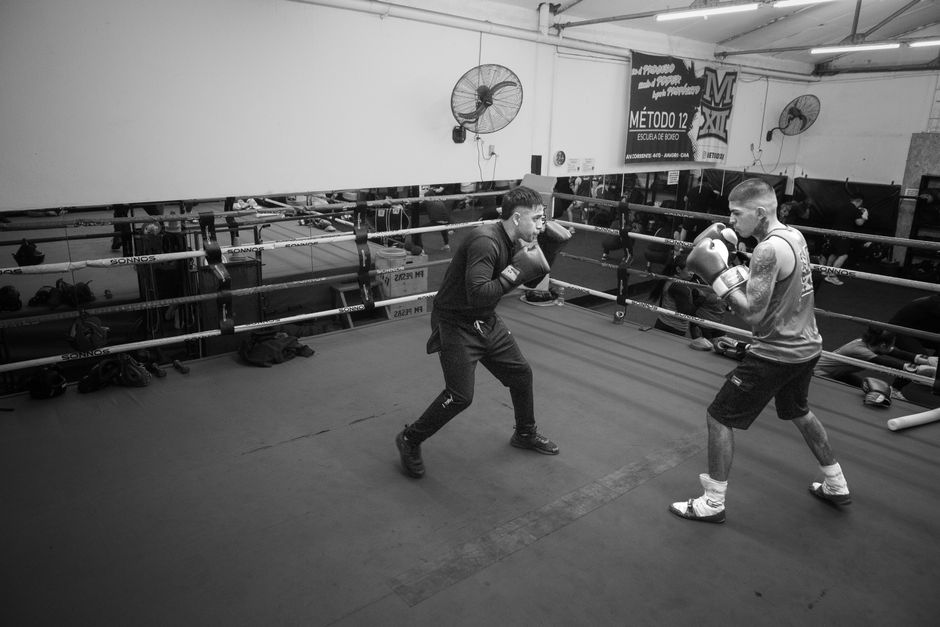
Pro tip: Collaborate early in the camp to map out daily schedules hour-by-hour and highlight sleep windows. Suggest integrating brief power naps or quiet recovery periods post-events where possible. It’s easier to negotiate planned downtime upfront than demand sleep post-facto.
2. Weight Cut Dehydration and Fragmented Sleep
Extreme dehydration and caloric restriction mess with physiological signals that regulate sleep. Electrolyte imbalances cause muscle cramps or restless legs; hunger pangs disrupt sleep onset; fightful.com frequent bathroom trips create interruptions.
The historical approach is to accept these as unavoidable “fight week sacrifices,” but understanding and explaining the cost of fragmented sleep on reaction time, decision-making, and endurance reframes this as a solvable issue.
3. Rehydration Night Physiology and Interruptions
The night after weigh-ins, fighters aggressively rehydrate to restore plasma volume, often consuming liters of fluid, which leads to frequent urination at night.
Discuss with your coach strategic hydration protocols—splitting fluids into timed amounts, using electrolyte mixes validated by batch lab reports, and incorporating sleep-friendly bladder training—to limit sleep disruptions.
4. Time Zone Shifts and Circadian Disruption
Fighters traveling across multiple time zones face circadian misalignment that suppresses melatonin production and shifts their alertness and sleepiness peaks.
Bring in chronobiology insights and propose mitigation strategies like timed light exposure, melatonin supplementation (with COA-verified sources), and carefully scheduled nap windows.
How to Actually Frame the Conversation: Step-by-Step
- Open with Performance:** Start by affirming commitment to the team’s goals and fight outcomes. Reframe sleep as another tool in the athlete’s performance toolkit.
- Present the Data:** Share concise summaries of how sleep physiology interacts with fight week stressors (hydration, scheduling, jet lag), supported with links to credible articles, lab reports, or embedded video interviews from renowned experts.
- Offer Solutions:** Use specific protocols validated by third-party lab reports or scientific literature—no vague suggestions. Offer realistic scheduling modifications or recovery practices.
- Ask for Feedback:** Engage your coach in problem-solving—ask, “What could work within our existing schedule?” or “How can we measure the impact of better sleep on training and fight performance?”
- Maintain Accountability:** Suggest tracking sleep with wearable tech or journals to generate ongoing data that can inform future camp adjustments.
Embed Expert Interview: Sleep and Performance in Combat Sports
Here’s a recent interview with Dr. Matthew Walker, a world-leading expert on sleep science, discussing the direct connection between sleep and athletic performance. It’s a powerful resource for reinforcing your points with respected authority.
Common Objections and How to Counter Them
Coach’s Concern Fact-Based Counterpoint "We don't have time to prioritize more sleep."Integrating even short strategic naps improves cognitive processing speed and reaction times, critical when milliseconds count. Better sleep doesn't demand more time, just better scheduling. So anyway, back to the point.
"Mental toughness is about pushing through tiredness."True toughness includes smart recovery. Sleep deprivation impairs decision-making and increases injury risk, threatening long-term success.
"Supplements marketed for sleep are snake oil."We focus only on supplements validated by batch lab reports and COAs, ensuring purity and consistent dosing, backed by clinical research.
Final Thoughts: Sleep Is Not Soft, It’s Strategy
In a realm where boxers and MMA fighters often pride themselves on enduring pain, ignoring sleep feels like a badge of honor. But here’s the truth I’ve witnessed firsthand: sleep loss leads to slower reflexes, poorer judgment, and increased injury—costing fights and careers.
When you talk to your coach about sleep, don’t approach it as a plea for comfort. Approach it as a performance optimization strategy grounded in science, backed by reliable lab data, and tailored to the realities of fight week chaos.
Remember, good camp communication and realistic fight week planning aren’t about taking shortcuts—they’re about maximizing every advantage inside and outside the cage. And sleep is one of the smartest advantages you can cultivate.