Can Poor Sleep Make You Slower on the Pitch?
Every football fan has seen it: a player looking leggy and slow in the closing minutes of a match or across a grueling run of fixtures. The common culprit often cited is fatigue, but a less obvious driver is poor sleep quality. As a former local football reporter who shadowed Premier League training grounds for nearly a decade, I can tell you that sleep — or the lack of it — is far from a fringe topic. It's central to reaction time, sprint output, and decision-making fatigue.
This post breaks down why sleep matters so much on the pitch, especially during demanding periods like fixture congestion. We’ll also explore the forgotten variable of player environment — the difference between home bed and hotel room routines — and how squads manage recovery with innovations like Peloton’s digital fitness platform integrated with recovery bikes.
Fixture Congestion and Fatigue: The Hidden Cost of Back-to-Back Games
Take the 2018-19 Premier League run Chelsea endured in April, playing six games in 16 days. You could spot players at the press conferences admitting they felt sluggish or slow, sometimes calling it "heavy legs". But what they really meant was that their central nervous system and muscles were worn down, and crucially, their sleep cycles were fragmented.

Fixture congestion leads to reduced rest time between matches, forcing teams to:
- Rush recovery with limited downtime
- Rotate squads to preserve freshness
- Adapt training loads to avoid overtraining
Even so, the fatigue effect means slower reaction times and diminished sprint output. A 2017 study analyzing Premier League players found a significant dip in high-intensity sprinting following multiple matches in quick succession. The primary suspect: poor sleep quality stemming Click to find out more from physical soreness, travel stress, and irregular match schedules.
Preseason Fitness and Squad Depth: Setting the Sleep Baseline
Every coach I interviewed during preseason stressed how vital it was to build both fitness and recovery habits. Remember Klopp's remarks in 2019 on Liverpool’s squad depth: “It’s the players’ bodies, and their brains, that take the hits first.”
Good preseason conditioning isn’t only measured in kilometers run or gym hours. It means building sleep resilience. If a player arrives at training camp with inconsistent sleep habits, their baseline for recovery is compromised.
Squad depth matters because rotation allows some players to prioritize rest and sleep on off days. Teams without depth risk forcing the same players to play when their sleep and recovery windows are minimal — worsening the “reaction time” and “decision making fatigue” that cost points on the pitch.
Sleep Quality and Performance: What the Science Actually Shows
Plenty of buzz floats around “marginal gains” and “optimizing recovery,” but few cite specific performance metrics tied to sleep. Here’s what research and real match moments demonstrate:
- Reaction Time: When players lose just one night of sleep, reaction times on standardized tests can slow by up to 20%. For a winger or central midfielder making split-second decisions, that lag is game-changing. Think about Alexis Sánchez’s uncharacteristic miss against Everton in 2017 — poor sleep was rumored behind his sluggishness that week.
- Sprint Output: Sleep deprivation reduces peak sprint velocities. A study involving professional athletes showed a drop in maximal sprint speed after five nights of reduced sleep, directly impairing counter-attacks or defensive recovery runs.
- Decision Making Fatigue: The mental weariness associated with fragmented sleep leads to poorer choices under pressure — missed passes, late tackles, or misreading the game situation. It’s no coincidence managers like Pep Guardiola enforce strict sleep hygiene routines for their stars.
So, how do clubs cope? Enter Peloton’s partnership with sports recovery specialists.
Peloton and Recovery Bikes: A New Frontier in Sleep-Focused Fitness
Peloton’s digital fitness platform, known for high-energy spin classes, has expanded into recovery-centric tools that help players better manage fatigue and sleep quality. Recovery bikes equipped with biometric feedback help athletes maintain light, low-intensity activity critical for muscle repair without overloading tired muscles and brains.
Teams using these tools can better space out training loads and give players guided sessions aimed explicitly at promoting restorative rest. Though Peloton doesn’t publicize fees or pricing related to club partnerships (and it would be irresponsible to speculate), their platform’s ability to integrate short-form recovery rides offers a subtle but quantifiable edge.
Home Bed vs Hotel Routine: Why Environment Matters for Sleep Quality
A factor often overlooked during fixture congestion and travel is the difference a player’s sleeping environment makes. Players consistently note in interviews that sleeping in hotel beds or unfamiliar rooms disrupts their usual routines.
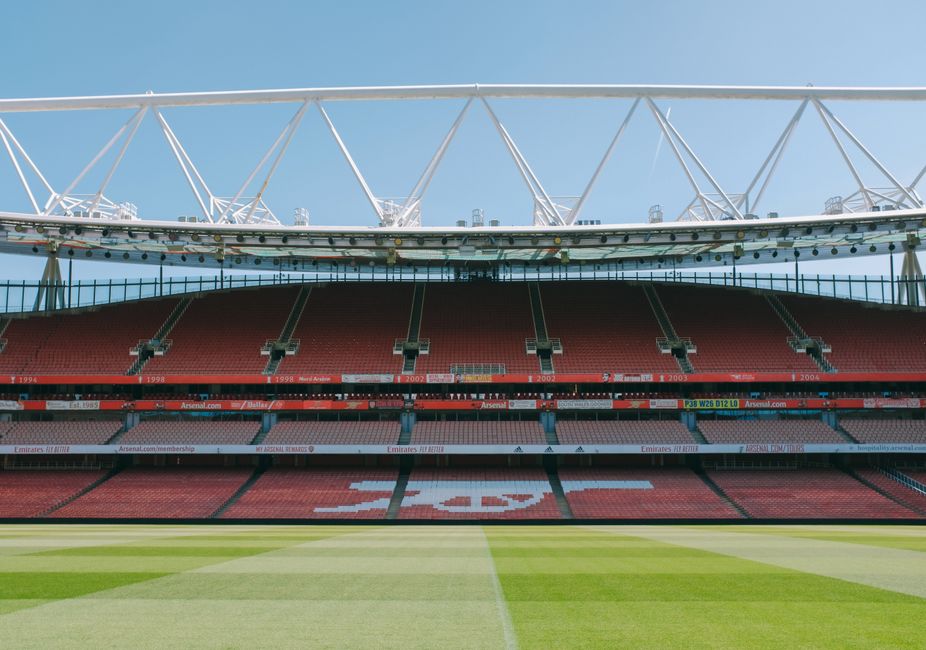
While the mattress type, room temperature, and noise levels are obvious elements, the bigger issue is the routine disruption. A Premier League fixture night spent away from home often means:
- Irregular wind-down times
- Increased anxiety about performance
- Unfamiliar lighting and noises
These factors contribute to fragmented premier league workload REM sleep, which is when the brain processes emotions and consolidates memory — crucial for tactical awareness and quick decision-making on match day.
Summary Table: Sleep Impact on Football Performance Metrics
Performance Metric Effect of Poor Sleep Impact on Match Outcome Mitigation Strategy Reaction Time Slower by 15-20% Missed chances, late reactions Consistent sleep schedule, peloton recovery rides Sprint Output Reduced max sprint speed Failed counterattacks, reduced defensive recovery Preseason fitness, squad rotation Decision Making Fatigue Hindered cognitive function, poor choices Lost points from mistakes Sleep hygiene education, home-like routines on the roadFinal Thoughts: No Magic, Just Consistency
There’s no miracle cure, fancy supplement, or “miracle recovery” method that can replace good old-fashioned consistent, quality sleep. Fixture congestion, relentless travel, and packed preseason schedules strain players physically and mentally. But aligning recovery strategies with sleep science — from squad management to harnessing technology like Peloton recovery bikes — offers measurable benefits on reaction time, sprint speed, and decision-making that win games.
For players, coaches, and fans alike, recognizing sleep as a key performance pillar means appreciating what goes on off the pitch just as much as what happens during the 90 minutes.
Enjoyed this deep dive? Feel free to share it using the buttons below:


